
In heavy construction, winter gear isn’t a commodity—it’s a critical piece of safety equipment. When hands get stiff from the cold, productivity drops, and accident risks spike. Buying winter work jackets in batch directly from manufacturers offers a way to secure superior protection at controlled costs. However, bulk buying without a structured roadmap often leads to thermal failures, compliance issues, or logistical nightmares. This guide distills the procurement process into a clear, step-by-step blueprint, helping you source high-performance winter jackets that genuinely stand up to job site abuse.
The Unique Demands of a Construction Winter Jacket
A standard fashion parka disintegrates on a worksite. A true winter construction jacket must tackle a multifaceted challenge: sustained sub-zero temperatures, sharp tools and rebar, constant movement, and unexpected rain or sleet. Before you issue a request for quotation, you must translate these field realities into hard technical requirements. Your spec sheet is your first line of defense against receiving a batch of jackets that look warm but fail on day one.
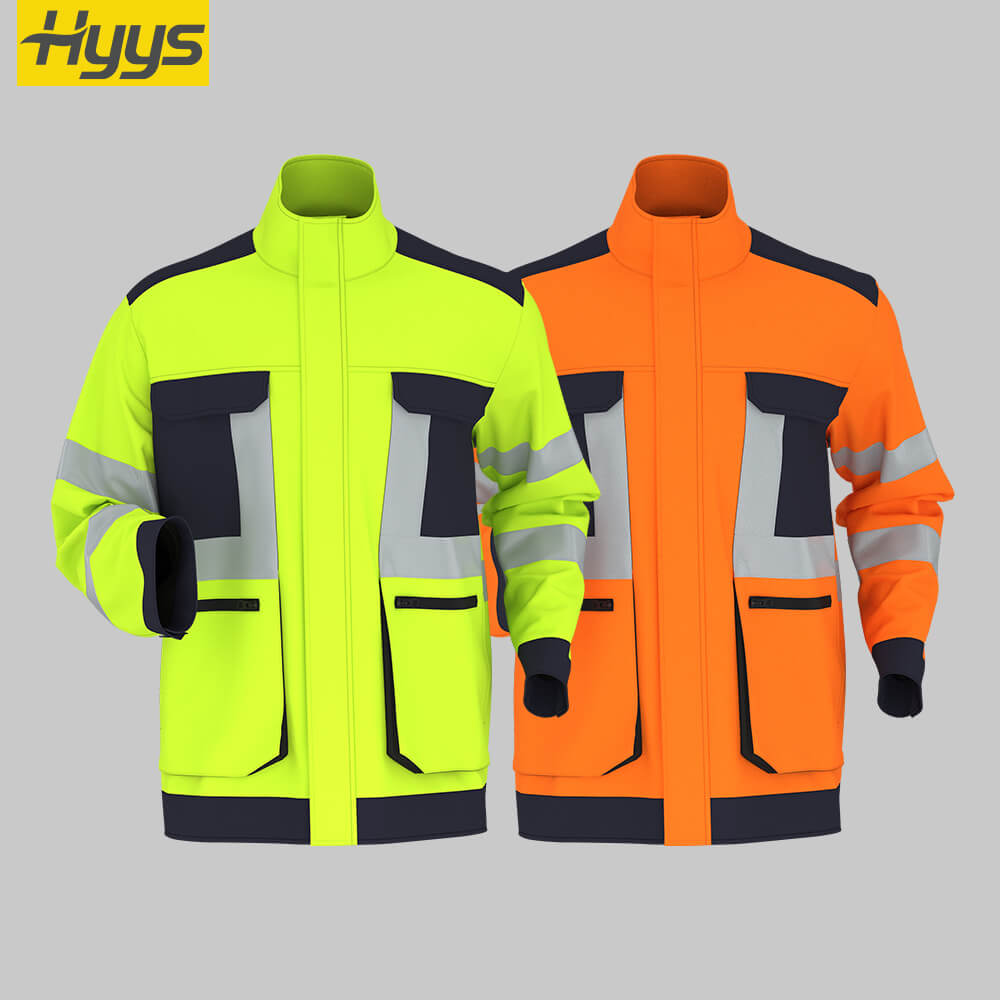
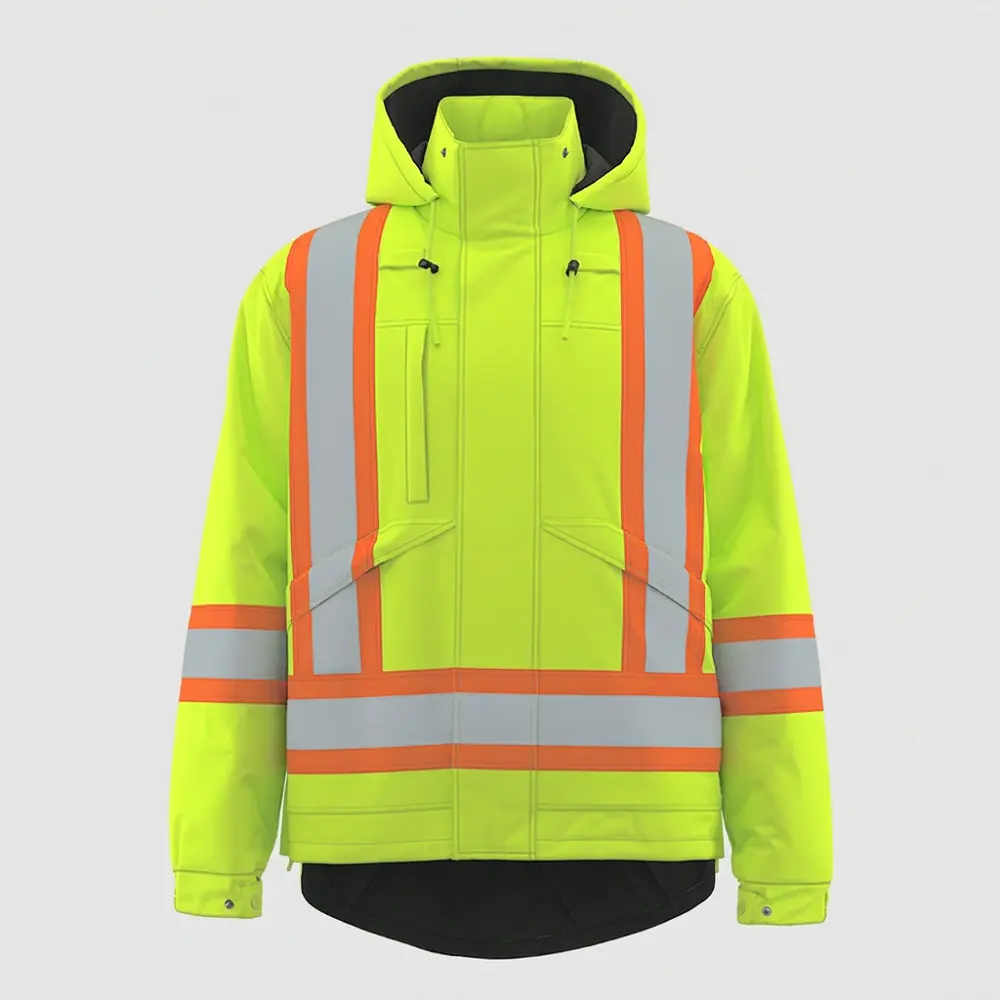
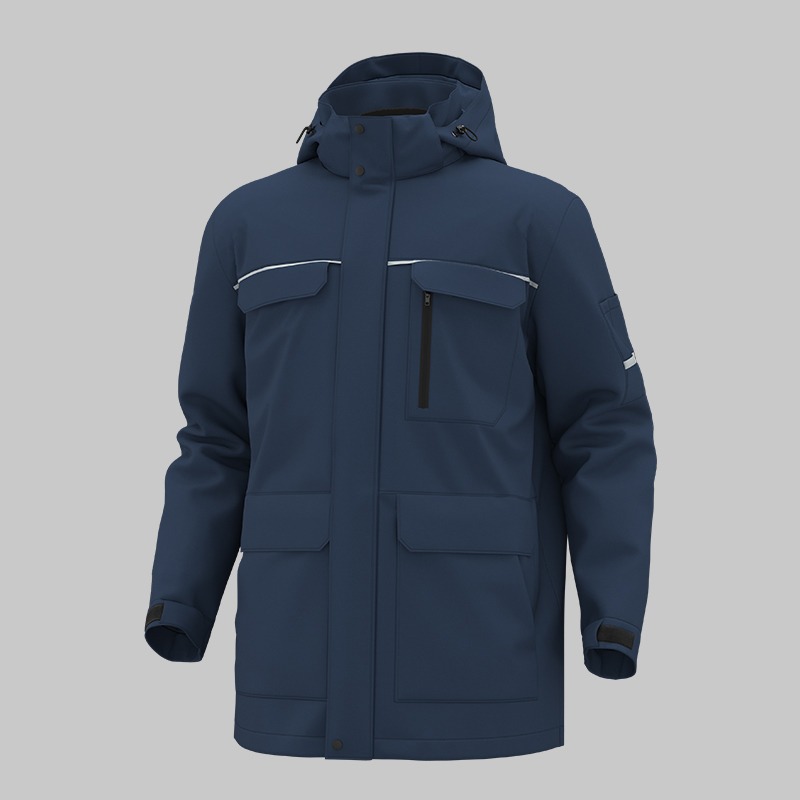
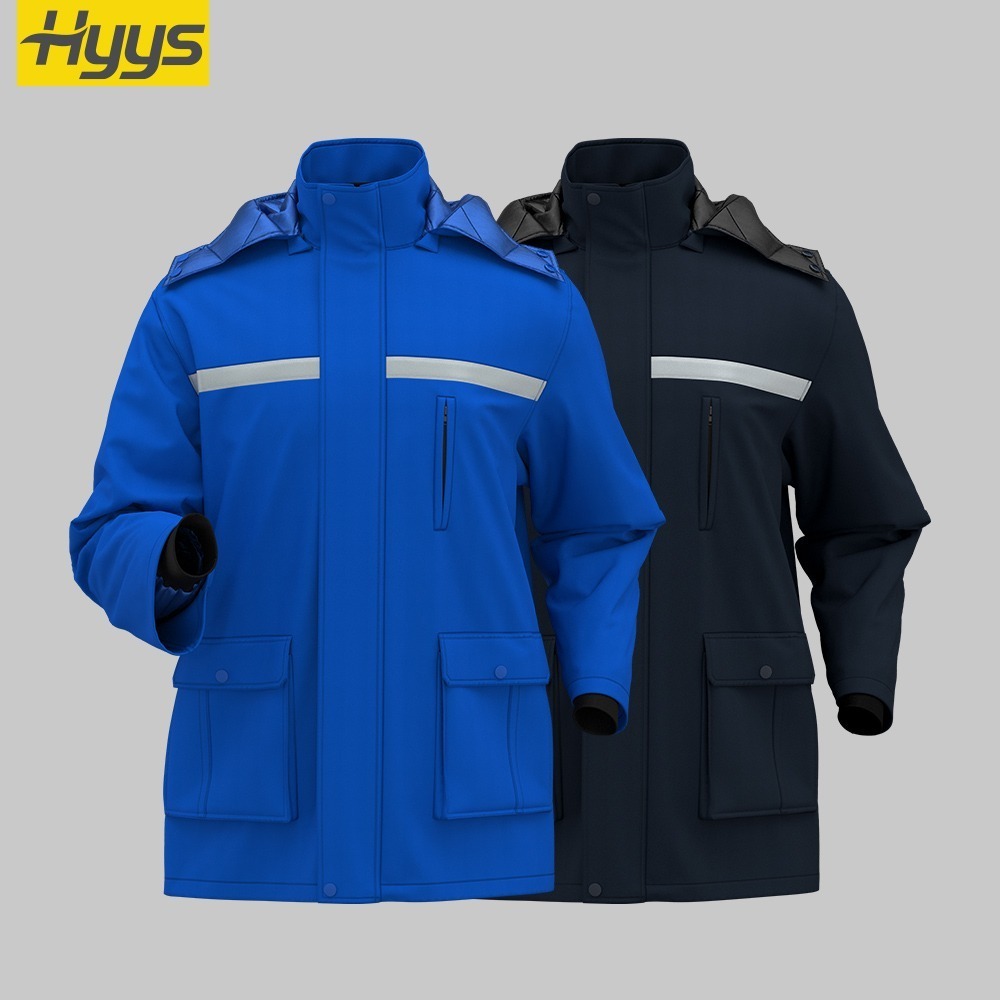
Essential Technical Specifications to Lock Down
Most ranking guides segment this logically. You should define four critical performance pillars before contacting any factory.
1. Insulation That Works When Wet
Down insulation fails catastrophically once saturated. For construction, synthetic insulation is generally non-negotiable.
- High-Loft Polyester Fill: Look for hollow-fiber micro-synthetic insulation. It mimics down’s warmth while retaining thermal properties even in damp conditions.
- Weight Distribution: A common spec is 200 g/m² body insulation with 150 g/m² in sleeves to balance warmth and mobility. Overstuffing leads to heat stress during active work.
- Layering Compatibility: Consider a zip-in/zip-out liner system (3-in-1 jackets) for adaptability. This gives crews a waterproof shell for fall and an insulated layer when temperatures plummet.
2. Durable, Weatherproof Outer Shell
The outer fabric is a shield. If it fails, the insulation becomes dead weight.
- Fabric Density: Specify a minimum of 300D polyester or nylon. For high-abrasion zones like forearms, insist on Cordura-reinforced panels (without naming a brand, specify “heavy-duty ballistic nylon overlays”).
- Waterproofing Metrics: The jacket must have a minimum hydrostatic head rating of 10,000 mm. Pockets shouldn’t leak.
- Sealed Seams: Simply having a waterproof membrane isn’t enough. Demand factory-taped or critically sealed seams. A jacket without sealed seams is just a windbreaker.
3. Certified High Visibility and Safety
Compliance isn’t optional. The jacket must function as personal protective equipment (PPE).
- Standards Matching Your Region: For North America, the ANSI/ISEA 107 standard dictates the surface area of reflective tape and background fabric. A winter jacket worn on active roads usually needs Class 2 or Class 3 compliance. For European markets, demand EN ISO 20471.
- Tape Technology: Reflective tape must be segmented or “breathable” microprism to avoid stiffening the fabric. Ensure the tape resists cracking at -30°C.
4. Site-Smart Functional Design
A jacket that restricts bending or tool access is useless.
- Helmet-Compatible Hood: A 3-piece adjustable hood designed to fit over a hard hat without obstructing lateral vision.
- Ventilation: Pit zips with two-way zippers allow heat to escape during heavy exertion without taking the jacket off.
- Pocket Engineering: Fleece-lined hand-warmer pockets at chest height (accessible when wearing a tool belt) and clear sleeve pockets for ID cards.
Why Direct Factory Batch Procurement Wins
Eliminating wholesale distributors doesn’t just cut unit prices by 15–30%. It gives you control over the supply chain. You can dictate the exact denier of the lining, lock the dye lots of the high-vis fabric to ensure consistency across 500 units, and schedule production to hit your fleet rollout date. Direct sourcing also opens the door to semi-custom designs at minimal upcharge, allowing you to add a company logo via embroidery or heat transfer during manufacturing.
A Step-by-Step Blueprint for Sourcing from Manufacturers
This logical progression mirrors the funnel used by professional procurement managers.
Step 1: Build a Watertight Product Specification Sheet
Don’t ask a factory “What warm jackets do you have?” Send a clear tech pack:
- Material bill: Outer shell weight, inner lining type, insulation density.
- Compliance documents: Specify that a valid test report from a recognized lab (e.g., UL, SGS, Intertek) must accompany the shipment.
- Size run: The exact quantity breakdown per size. Never accept a “standard size curve” blindly; construction teams often need extended sizing (up to 5XL or 6XL).
Step 2: Identify and Shortlist True Factories
Avoid trading companies posing as manufacturers.
- Vet the Entity: Ask for a business license showing “manufacturing” scope. Look for self-owned production lines.
- Specialization: Look for suppliers whose core category is “workwear” or “safety apparel,” not generic sportswear.
- Certification Stack: Prioritize factories with ISO 9001 (quality) and social compliance audits like BSCI or WRAP. This proves they have internal discipline and ethical labor practices, reducing risk of supply chain disruption.
Step 3: The Non-Negotiable Sample Process
Never, ever skip the lab sample. Order a pre-production sample, sealed in your exact colors with your labels.
- Physical Torture Test: Soak the jacket, put it in a freezer, and try bending the fabric. Put a stick through a pocket and pull hard.
- Lab Verification: For high-value contracts, send the sample to a third-party lab to validate the thermal insulation (clo value) and the retroreflective performance of the tape. If the factory balks at third-party testing, walk away.
Step 4: Locking in the Bulk Deal
Negotiate based on the bill of materials (BOM), not just the final price. If a factory drops the price by $3, check they haven’t switched from sealed seams to loose stitching or reduced the insulation fill weight. A common and fair payment structure is 30% deposit to start production and 70% balance against a scanned copy of the bill of lading.
Logistics and Seasonal Timing Are Everything
The procurement cycle for winter gear is rigid. If you miss the window, you buy leftovers.
- The Ideal Timeline: Finalize orders by late July or early August. This reserves factory capacity.
- Production Lead: Usually 30–45 days once the deposit is confirmed.
- Transit: Sea freight takes 30–35 days. You want the containers at your warehouse by mid-October for a November rollout.
- Incoterms: FOB (Free on Board) is standard for full containers, giving you control over the freight forwarder once goods hit the water.
The Ultimate Quality Control Checklist
Before the factory ships, a final random inspection (AQL 2.5) must be performed, either by your hired agent or a professional service. The inspector should verify:
- Thermal Mapping: Use a thermal camera to check for cold spots where insulation has migrated.
- Tape Adhesion: Rub the reflective tape 50 times with a wet cloth; it must not peel.
- Continuity: Zippers are YKK or equivalent quality (smooth action at -10°C).
- Hi-Vis Color Fastness: The fluorescent dye must not bleed onto the reflective tape.
Common Pitfalls That Derail Winter Jacket Batch Orders
- Ignoring the “Sleeve Test”: A jacket can fit the torso but leave the wrist exposed when reaching up. Always test the extended sleeve length.
- Under-specifying Waterproofing: Asking for “water-resistant” gets you a spray-on coating that washes out. Demand “waterproof/breathable laminate.”
- Batch Color Variance: Fluorescent orange and yellow dyes can shift between dye lots. Write in the contract that the shipment must be a single, continuous dye lot for matching.
- Cheap Tape: Budget jackets often use glass-bead tape that shines only when light hits it directly. Construction requires wide-angle retroreflective tape visible from a distance.
Frequently Asked Questions
What is the typical MOQ for custom winter construction jackets?
Most factories require a minimum of 100–500 pieces per color for custom emblem and design work. If you take stock off-the-shelf with just a logo added, MOQs can drop to 50 per design.
How do I ensure a jacket actually keeps someone warm at -20°C?
Don’t just ask for a temperature rating. Ask for the CLO value test result of the insulation package. A CLO value of 2.5 and above is needed for extreme cold environments when active.
Can I get a mix of insulated bibs and jackets in one procurement batch?
Absolutely. Efficient batch procurement often bundles jackets with matching bib overalls. This ensures uniform color matching and maximizes container space for shipping savings.
Down vs. Synthetic for construction: which is riskier?
Down is lighter and packable but a severe liability in wet, messy construction. Unless you are arctic drilling with absolute dryness, high-grade synthetic insulation is the standard for industrial safety directors.
Conclusion
Procuring winter construction jackets in bulk is a high-stakes engineering task, not a fashion purchase. By structuring your supplier hunt around certified performance specs, waterproof integrity, and meticulous pre-shipment inspections, you eliminate the guesswork. A well-sourced jacket keeps your crew safe, reduces turnover, and proves that quality batch procurement is the sharpest tool in your operational budget.

When customizing anti acid and alkali protective clothing, the factory’s technical team took the initiative to optimize the design of the self-adhesive double-layer placket for us, which has better sealing performance than our initial sketch plan, and fully meets the requirements of the working conditions in terms of fracture strength and puncture resistance.
We are a mining company and have customized this batch of all cotton miner’s clothing. The fabric is made of 32 high-density yarns and has been machine washed 20 times without pilling or fading. The knees are reinforced with double layers, and the frontline workers have been wearing it for a month without any abrasion.
This urgent order from an EU customer requires a total of 500 sets of flame retardant fixtures. The factory had a very full schedule and adjusted the production line for us. All of them were shipped within 12 days, and the accompanying OEKO-TEX testing report and BSCI qualification documents were also provided simultaneously. There were no issues throughout the customs clearance process.